Refactor and transform applications faster
Combining AI prowess and decades of industry experience, LAIR by LANSA automates code refactoring and enables true modernization at every layer without putting stable operations at risk.

Unlock flexible architecture and richer experiences
No need to discard existing investments to achieve digital transformation. Refactoring opens the door to MACH architectures, making high-impact enhancements safer and easier to implement.

Insurance and Financial Services
Modernize policy and claims systems to support digital self-service, integrations, and faster product updates.

Manufacturing and Distribution
Expose ERP functionality as APIs to support modern portals, partner integrations, and real-time operations.

Retail & B2B Commerce
Enable composable storefronts and omnichannel commerce by modularizing pricing, ordering, and customer logic.
refactors proven application logic into well-structured, documented REST APIs, opening monolithic systems to modern front ends, integrations, and platforms.

Save up to 50% with Legacy AI Refactoring
Most refactoring projects require huge budgets and years in development, but not anymore. Accelerate the process and eliminate trial-and-error with an expertly designed, AI-powered transformation pipeline for legacy LANSA applications.
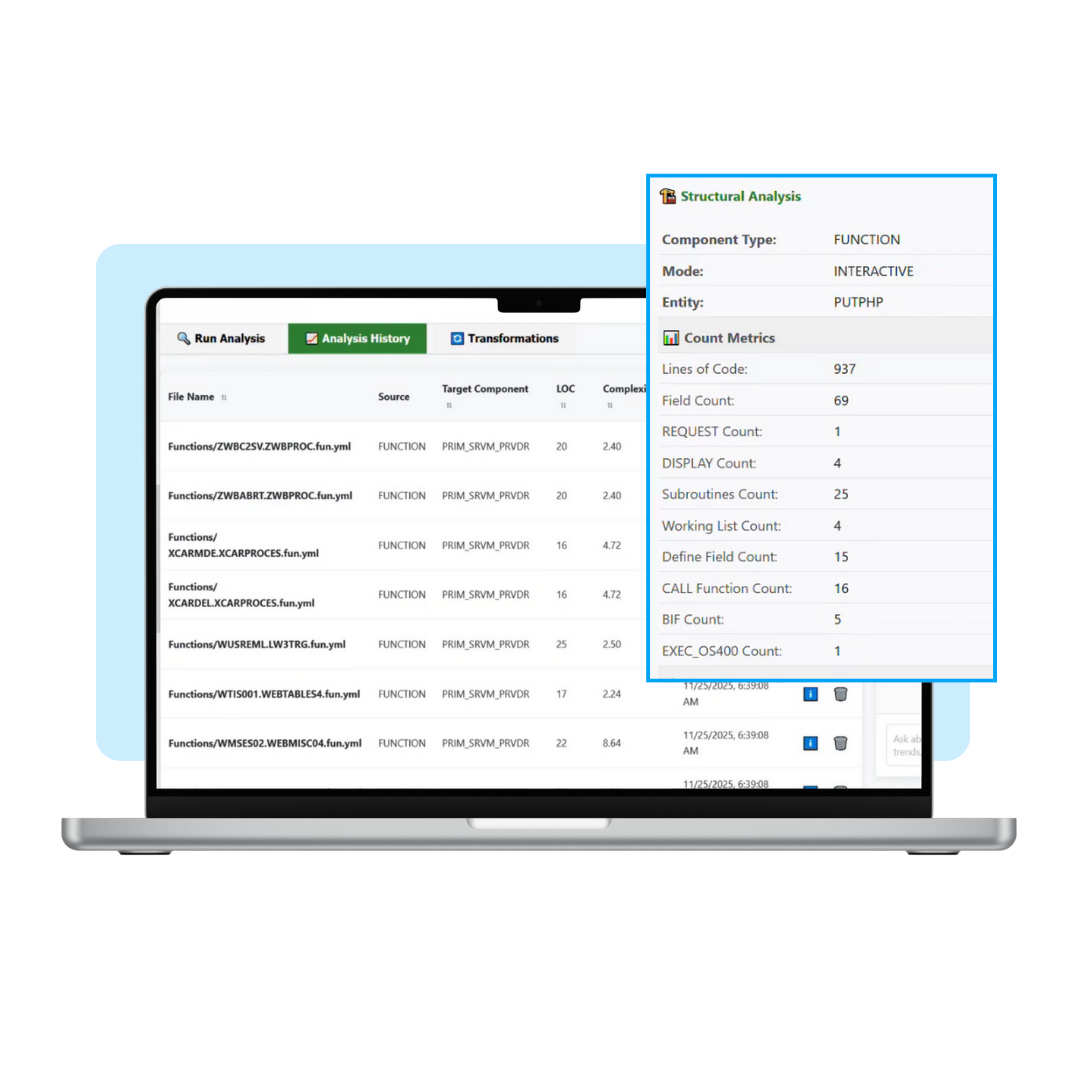
Batch analysis
Analyze large monolithic codebases and identify reusable, stable business logic at scale.
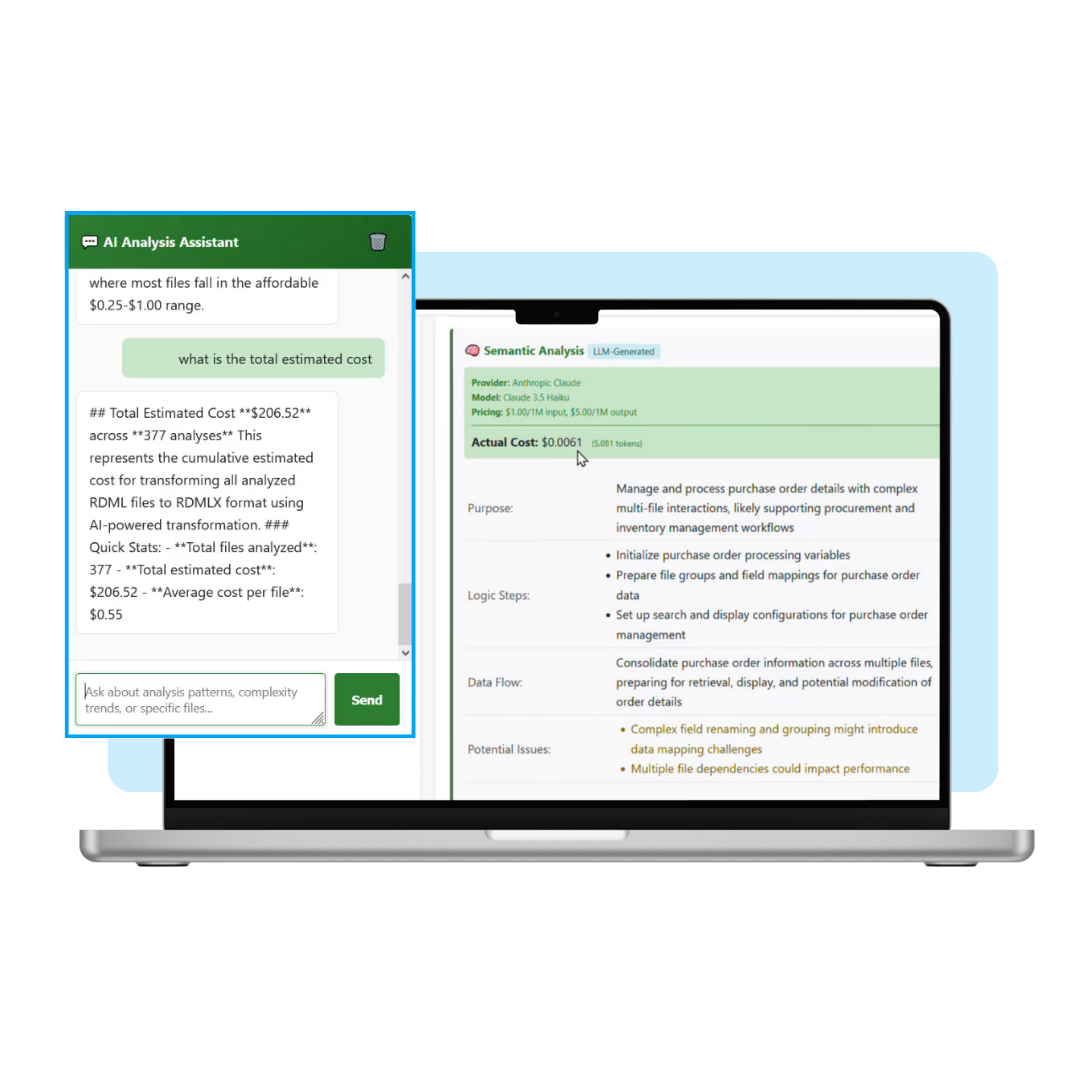
Instant estimates
Generate fast, data-driven estimates for refactoring cost, effort, and impact.
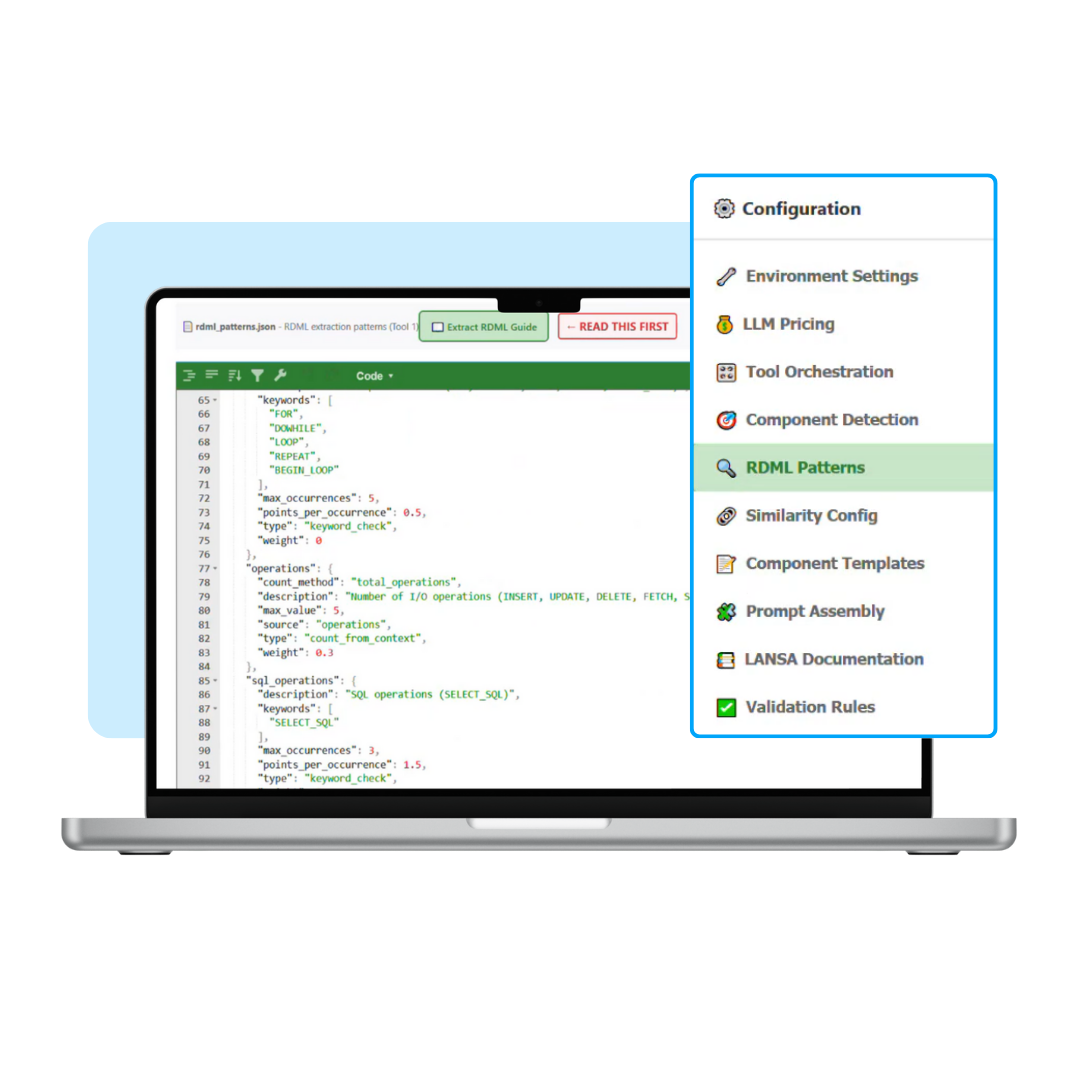
Automated transformation
Refactor code into API-enabled services ready for external consumption and reuse.
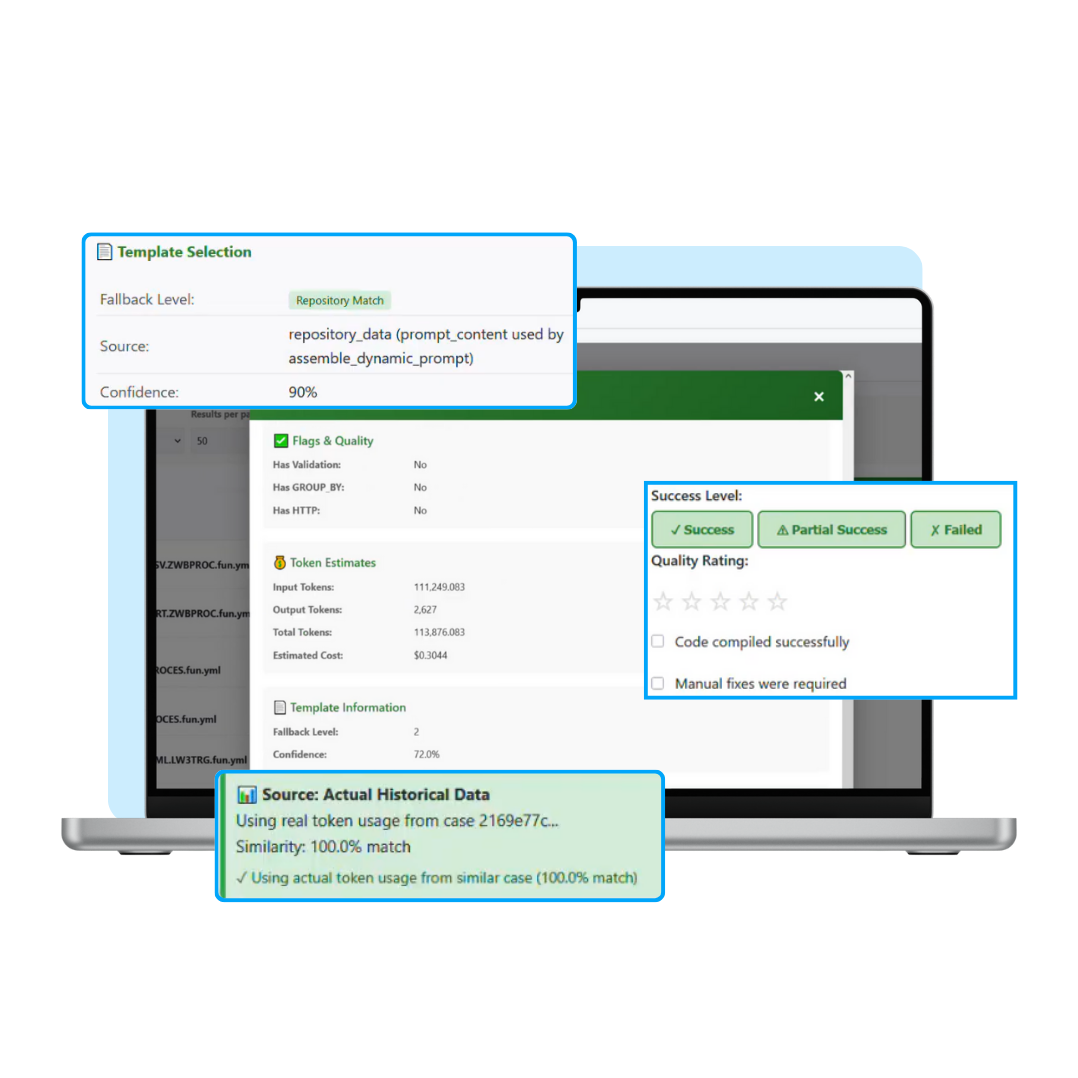
Guided implementation
Get hands-on support from our Professional Services team from configuration to testing.
Unified low-code language
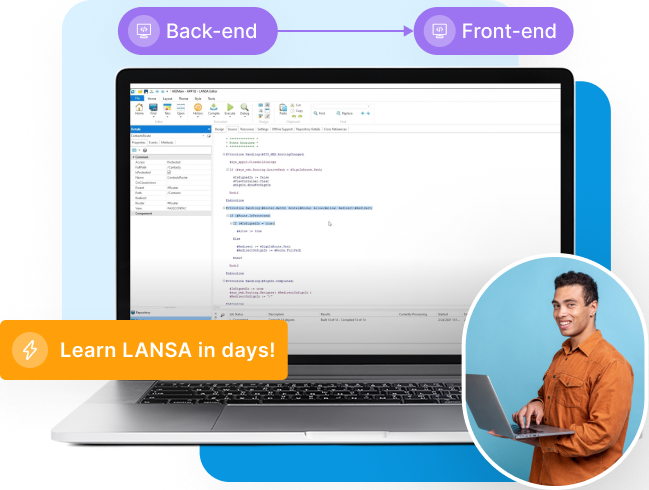
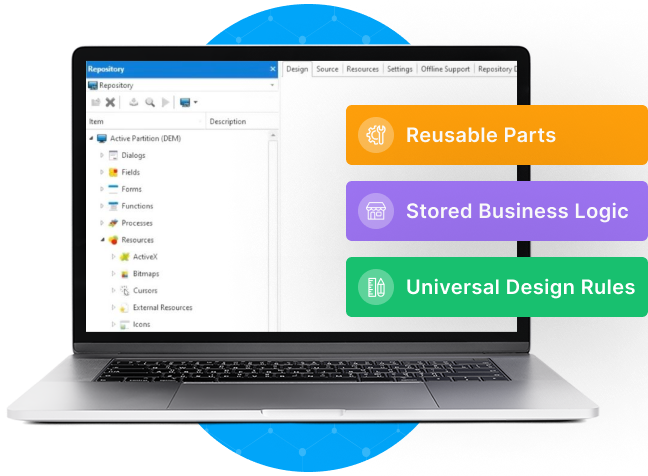
Centralized active repository engine
Simple drag-and-drop interface
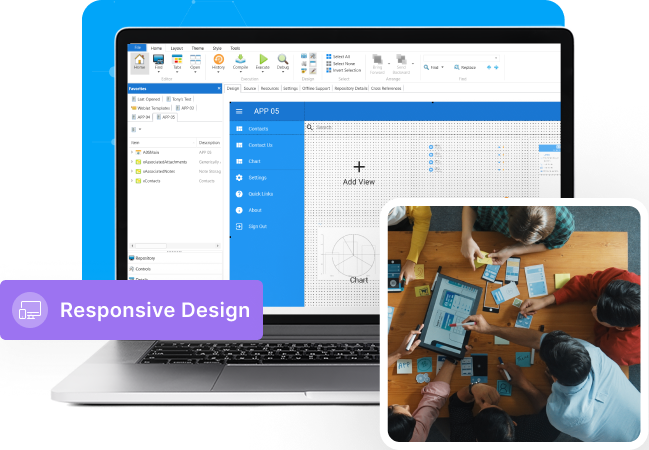
Effortless cross-platform deployment

Future-proof your mission-critical applications
Escape outdated DevOps and gain the agility to adopt modern technologies. Work with LANSA Professional Services to replicate past successes and drive an API-first strategy to transform your enterprise systems starting with Legacy AI Refactoring.

Decouple and transform UI/UX
Deliver modern, responsive user experiences using Visual LANSA or other front-end frameworks.

Integrate with third parties
Enable seamless integrations with partners, platforms, and tools through API-based connectivity.

Run and scale on the cloud
Support elastic growth and modern deployment models without forcing a full rewrite or re-platform.

Improve maintainability
Modularize applications to better manage software evolution while minimizing technical debt and reliance on legacy skills.
Refactor your legacy applications now
Safeguard integral legacy workflows and modernize incrementally with LAIR by LANSA.

Consult with experts

Book a demo